


7 Essential Tips for Planning a Fun and Safe Kids Birthday Party
A great kids’ birthday party does not need a huge budget, a perfect cake, or a house full of matching decorations. The parties children remember most are usually the ones where they felt celebrated, included, and free to have fun.
Still, planning one can feel like a lot. There are guests to invite, snacks to choose, activities to organize, safety details to think through, and a birthday child with big ideas. The good news is that a simple plan can keep the day joyful without turning the weeks before it into a stress marathon.
Use these seven essential tips to build a party that feels festive, manageable, and safe from start to finish.
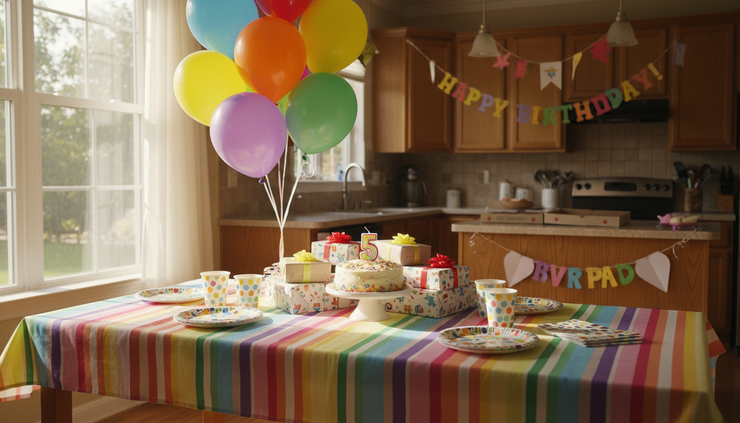
Start with the big picture before choosing the little details
Before buying decorations or booking entertainment, decide what kind of party makes sense for your child, your schedule, and your budget. A calm backyard party can be just as special as a rented venue. A small sleepover may fit better than a big guest list. A park picnic might be perfect if your child loves to run and climb.
The best starting question is simple: What will make this feel fun for the birthday child without overwhelming everyone else?
That one question can guide every choice that follows.
1. Set a realistic budget early
A party budget keeps the planning clear and helps avoid last-minute overspending. Kids’ parties often become expensive because small purchases add up quickly. Balloons, favors, cupcakes, themed plates, drinks, games, prizes, and delivery fees can push a simple party past the original plan.
Start with a total amount you feel comfortable spending. Then divide it into categories:
Category | What to include |
Food and drinks | Cake, snacks, pizza, fruit, drinks, paper goods |
Decorations | Balloons, banners, table covers, craft supplies |
Activities | Game materials, rentals, entertainment, prizes |
Venue | Park reservation, party room, indoor play space |
Favors | Small take-home gifts or craft projects |
Extras | Candles, ice, batteries, cleaning supplies |
Once you set the total, choose where to spend more and where to save. If your child cares most about a dinosaur cake, keep decorations simple. If they dream of a bounce house, serve easy snacks instead of a full meal.
A few budget-friendly ideas work well for many ages:
Use printable coloring pages as placemats.
Turn an activity into the party favor, such as decorating a tote bag or making slime.
Pick solid-color plates and napkins instead of branded partyware.
Bake cupcakes at home and let kids add sprinkles.
Use toys your child already owns as table decorations.
A clear budget does not make the party less fun. It makes the planning less stressful.
2. Keep the guest list manageable
The guest list shapes the whole party. More guests mean more food, more noise, more supervision, and more chances for overstimulation. Fewer guests often make it easier for children to play together and for adults to keep an eye on everyone.
A common rule of thumb for younger children is to invite a number of guests close to the child’s age, such as five guests for a fifth birthday. This is not a strict rule, but it can help if you need a starting point.
Think about the birthday child’s personality too. Some children love a big crowd. Others do better with a few close friends. A child who gets tired easily may enjoy a shorter party with familiar faces. A child who thrives on group play may love a class party at a park.
When writing invitations, include the details parents need:
Date and start time
End time
Location
Whether parents should stay
Food being served
Any outdoor, water, or messy activities
RSVP date
A way to share allergy or accessibility needs
Keep the party length age-appropriate. For toddlers and preschoolers, 90 minutes to 2 hours is often enough. Older kids can usually handle longer parties, especially if there is a clear plan for activities and food.

Build the party around a theme that makes planning easier
A theme is not required, but it can make decisions simpler. When you have a theme, you can choose decorations, activities, cake ideas, and favors without starting from scratch every time.
The theme does not need to be trendy or complicated. It just needs to fit your child.
3. Pick a theme that matches your child’s interests
The best themes come from what the birthday child already loves. Think about favorite books, animals, colors, hobbies, shows, sports, or make-believe worlds. A theme can be broad, such as space, art, jungle, ocean, camping, superheroes, princesses, trains, or sports. It can also be as simple as “rainbow party” or “pajamas and pancakes.”
Here are a few theme ideas with easy add-ons:
Theme | Decorations | Activities | Food ideas |
Space | Star garlands, black tablecloth, glow sticks | Moon rock hunt, rocket craft | Star sandwiches, galaxy cupcakes |
Art | Paper roll table runner, bright balloons | Painting, bead bracelets, clay station | Rainbow fruit tray, cookie decorating |
Animal safari | Green streamers, stuffed animals, leaf cutouts | Animal charades, binocular craft | Trail mix, animal crackers |
Sports | Team colors, cones, pennants | Relay races, obstacle course | Mini sandwiches, orange slices |
Fairy garden | Flowers, twinkle lights, paper butterflies | Wand making, treasure hunt | Tea sandwiches, berry cups |
Construction | Yellow tableware, toy trucks, caution tape | Block building, dig for prizes | “Dirt” pudding cups, snack mix |
Decorations are most effective when they focus on a few visible areas. You do not need to decorate every room. Choose one main table, one photo spot, and one activity area. That keeps the party festive without creating too much setup or cleanup.
For easy decorations, try:
A balloon cluster in theme colors
A simple banner with the child’s name
Paper cutouts taped to walls or windows
A themed table runner
Toys, books, or stuffed animals used as centerpieces
A homemade photo backdrop with streamers
Let the birthday child help if they enjoy it. They can color signs, choose balloon colors, place stickers on favor bags, or help set out napkins. That small involvement can make the day feel even more special.
4. Plan activities that match the age and energy level
Activities keep the party moving, but they do not need to fill every minute. Kids also need time for free play, snacks, and cake. The goal is to have enough structure to prevent chaos, with enough flexibility for children to enjoy themselves.
For younger children, choose simple games with quick wins. For older children, add activities with teamwork, creativity, or a bit of challenge.
Good party activities include:
Treasure hunts with picture clues
Bubble play
Freeze dance
Obstacle courses
Craft stations
Cupcake or cookie decorating
Pin the tail, horn, badge, or star on a themed poster
Water balloon toss for outdoor summer parties
Board games or trivia for older kids
Karaoke or dance party
Building challenges with blocks or recycled boxes
Plan more activities than you think you need, but treat them as options. If kids love one game, let it run longer. If an activity falls flat, move on without making a big deal of it.
A helpful party flow looks like this:
Guests arrive and do a simple welcome activity.
Kids play one group game.
Everyone has food or snacks.
Kids do a craft or active game.
Sing happy birthday and serve cake.
Open gifts, if that fits your family’s style.
End with free play or a calm activity while parents arrive.
For arrival time, choose something children can join at any point, such as coloring, sticker sheets, blocks, bubbles, or making party hats. This prevents early guests from waiting awkwardly and gives shy children an easy way to settle in.

Serve food kids will actually eat
Party food does not have to be fancy. Most children want familiar foods, small portions, and easy choices. A few well-planned options can satisfy kids and make parents feel comfortable too.
5. Choose simple food with kid-friendly variety
The best menu depends on the time of day. If the party falls during lunch or dinner, serve a meal. If it lands mid-morning or mid-afternoon, snacks and cake may be enough. Be clear on the invitation so families know what to expect.
Kid-friendly party foods often include:
Pizza slices
Mini sandwiches
Chicken nuggets or tenders
Mac and cheese cups
Fruit skewers or fruit cups
Veggie sticks with ranch or hummus
Crackers and cheese
Pretzels or popcorn for older kids
Yogurt tubes
Cupcakes
Ice cream cups
Small portions work better than large servings. Kids are often too excited to sit and eat a full plate. Finger foods also reduce spills and make the meal move faster.
Food safety matters too. Keep cold foods chilled until serving. Keep hot foods warm until it is time to eat. Offer water throughout the party, especially outdoors or during active games.
Ask about allergies in the invitation or RSVP. You do not need to create a separate menu for every preference, but you should know about serious allergies before the party. If possible, keep ingredient labels for packaged foods. For homemade items, write down the main ingredients so parents can check if needed.
A few allergy-aware choices can help more children enjoy the food:
Fruit cups
Plain chips or pretzels
Dairy-free popsicles
Gluten-free crackers
Sunflower seed butter sandwiches, if nuts are a concern
Frost-your-own cupcakes with labeled toppings
If serving cake feels stressful, cupcakes are easier. They do not need cutting, and they make serving faster. You can also offer a small cake for candles and cupcakes for guests.
6. Make safety part of the fun
Safety planning should feel practical, not scary. A safe party gives children more freedom to play because the adults know what to watch for.
Start by checking the party space. Look for sharp corners, stairs, pools, pets, candles, cords, breakable items, choking hazards, and open doors. Move fragile items out of high-traffic areas. If the party is outside, mark clear boundaries and check for holes, slippery spots, or unsafe equipment.
For younger children, avoid small favors that can become choking hazards. For all ages, think carefully about balloons. Broken latex balloons can be dangerous for toddlers and preschoolers, so clear pieces right away and supervise balloon play.
If you have outdoor or active activities, plan for:
Sunscreen
Shade
Water breaks
Bug spray if appropriate
Closed-toe shoes for running games
A backup indoor activity if weather changes
Supervision is one of the biggest safety tools. Ask another adult or two to help if the group is large. Give helpers clear roles, such as watching the bounce house, helping at the craft table, managing food, or keeping an eye on the front door.
For pool parties, water parks, trampoline parks, and bounce houses, follow the venue rules and keep adults nearby. Do not rely only on lifeguards or staff. Children still need familiar adults paying attention.
A basic safety station can be simple:
Bandages
Wipes
Hand sanitizer
Tissues
Trash bags
Sunscreen for outdoor parties
Contact numbers for parents
Keep candles brief and supervised. Light them only when it is time to sing, and move them away right after the birthday child blows them out.

Create moments that feel personal and memorable
Once the food, activities, and safety basics are covered, add a few personal touches. These do not need to cost much. They just help the party feel like it was made for this child, on this day, with these friends.
7. Add small personal details and a calm ending
Children notice thoughtful details. A favorite song during cake time, a handmade birthday crown, or a chair decorated with streamers can make the party feel special. You can also create a small tradition, such as a birthday interview, a memory jar, or a photo taken in the same spot each year.
Fun personal touches include:
A “birthday child favorites” table with favorite books or toys
A playlist of songs your child loves
A simple photo booth with props
A custom sign drawn by the birthday child
A guest-made birthday card poster
A special plate or cup for the birthday child
A quiet corner for kids who need a break
Favors can be simple and useful. Many families appreciate items that will not break immediately or create clutter. Think bubbles, sidewalk chalk, stickers, crayons, small notebooks, play dough, or the craft the kids made during the party.
The end of the party matters as much as the beginning. A calm closing activity helps kids transition and makes pickup easier. Try reading a short story, playing soft music, handing out favors, or letting kids color while waiting for parents.
If gifts will be opened during the party, set a plan. Some children love opening gifts in front of friends. Others feel uncomfortable, and some guests may feel left out if they did not bring one. Opening gifts later is perfectly fine. If you do open them during the party, keep a list of who gave what so thank-you notes are easy.
A fun and safe celebration comes from thoughtful choices, not perfect details. When you set a budget, choose a realistic guest list, plan age-appropriate activities, serve familiar food, and keep safety in mind, you create space for the best part of the day: kids laughing, playing, and celebrating together.
The decorations will come down. The cake will disappear. But the feeling of being celebrated can stay with a child for a long time.

Comments